Hours of Operation
Monday - Friday: 8 a.m. - 5 p.m.
Saturday: 7:30 a.m. – 12:30 p.m. (occasional Saturdays)
Why Choose MemorialCare
At the MemorialCare Breast Center in Rancho Mission Viejo, caring is our calling—our compassionate team is dedicated to the prevention, early detection and treatment of breast cancer through advanced breast imaging, including screening and diagnostic mammograms, with expert, personalized care to support you at every stage of your breast health journey. As part of MemorialCare’s network of nine Breast Centers—where breast care is the sole focus and dedicated breast specialists work together—you benefit from trusted expertise backed by nearly 100,000 mammograms performed annually across the health system.
Breast Screening & Imaging Services at Rancho Mission Viejo
- Advanced technology, including 3D screening and diagnostic mammography, breast ultrasound, and ultrasound-guided breast biopsies
- Breast MRI
- MRIs are located at Irvine - Sand Canyon and the Sarah & Taylor Nederlander Breast Center
- DEXA bone density screening for comprehensive health assessment
- Expert interpretation of every mammogram by a dedicated, sub-specialized breast radiologist
Patient Experience & Benefits
- Fast turnaround times for screening results
- Comfortable, welcoming environment
- Short wait times to promote a smooth, stress-free experience
- Flexible scheduling options to fit your lifestyle
- Secure online access to your medical records through MyChart
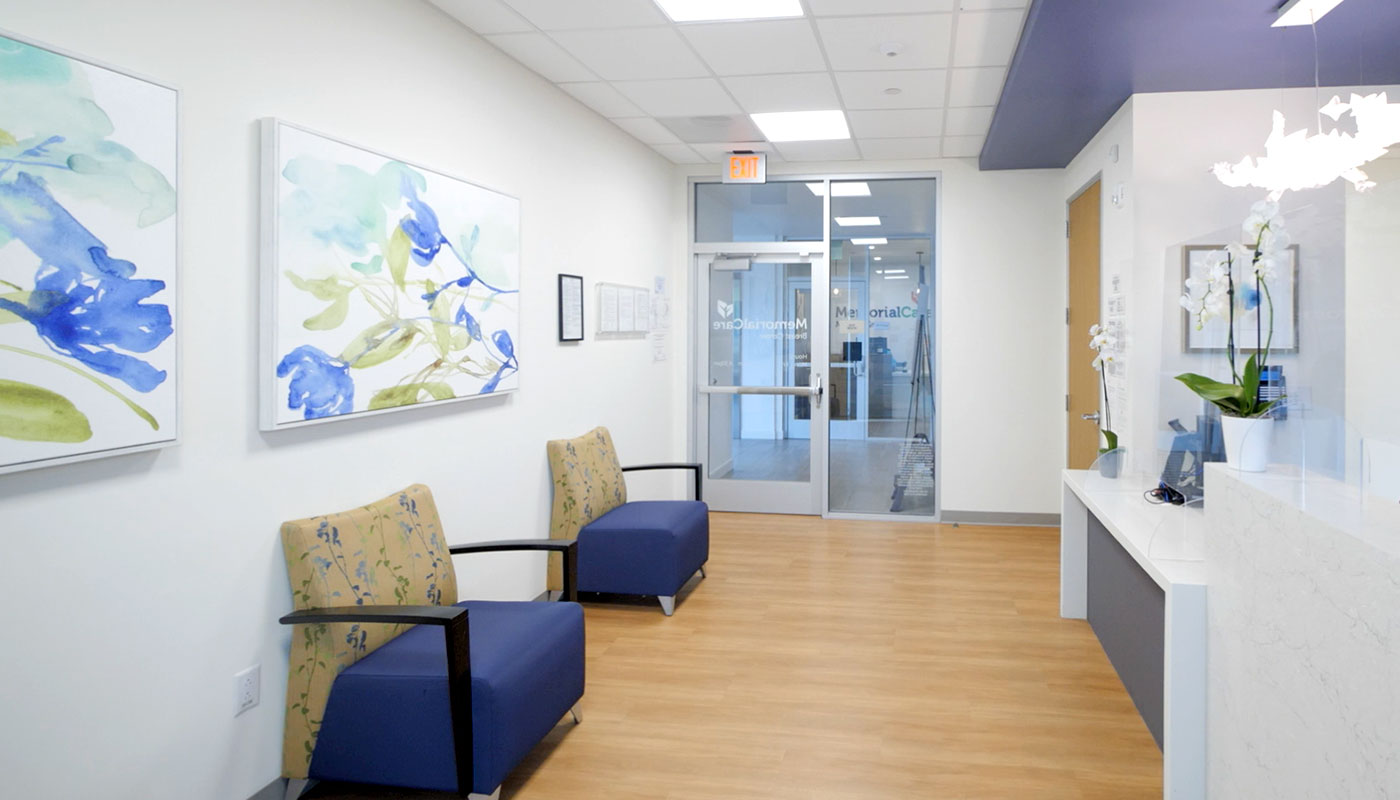
Tour the MemorialCare Breast Care Center
in Rancho Mission Viejo
FAQs
To prepare for your mammogram appointment at MemorialCare Breast Center in Rancho Mission Viejo:
- Schedule your appointment during a less tender time in your menstrual cycle.
- Avoid using deodorants, lotions, or powders on the day of the mammogram.
- Wear a two-piece outfit for easy access during the procedure.
- Communicate any breast-related concerns with your healthcare provider.
- Consider taking an over-the-counter pain reliever before the appointment if you find mammograms painful.
- Relaxation techniques can help reduce anxiety.
- Be prepared for breast compression during the procedure, which is necessary for accurate imaging.
During a mammogram, a radiologic technologist guides you to stand in front of the mammography machine, where one breast at a time will be positioned on a special platform. To obtain clear images, your breast will be gently compressed between two plates, which can cause momentary discomfort but is necessary for accurate results. The machine will take X-ray images from different angles, typically two views of each breast, and you may be asked to hold your breath briefly during this process. The technologist will review the images, and if necessary, you may be called back for further evaluation.
The entire mammogram appointment usually takes about 20-30 minutes, and your results will be sent to your healthcare provider for discussion and any recommended follow-up steps. Mammograms are a vital tool for breast cancer screening and early detection, and the temporary discomfort is well worth the potential benefits of early diagnosis and treatment. Watch our video to learn more about the mammogram screening process at MemorialCare Breast Center in Rancho Mission Viejo.
The entire mammogram appointment at MemorialCare Breast Center in Rancho Mission Viejo usually takes about 20-30 minutes, and your results will be sent to your healthcare provider for discussion and any recommended follow-up steps.
- Within a few days: In other cases, it may take a few days to a week to receive your results. The radiologist needs time to review the images and generate a report.
- Follow-up after diagnostic mammograms: If you had a diagnostic mammogram at MemorialCare Breast Center in Rancho Mission Viejo (as opposed to a routine screening), the process might involve additional imaging or consultation with a specialist. In such cases, it can take a bit longer to receive a comprehensive assessment.
National Comprehensive Cancer Network (NCCN®)
The National Comprehensive Cancer Network (NCCN®) recommends that women at average risk for breast cancer begin annual screening mammograms at age 40. Screening should continue yearly as long as a woman is in good health and expected to live at least 10 more years. Individuals are encouraged to discuss personal risk factors and screening options with their health care provider to determine the most appropriate screening plan.
Personal and Family History
If you have a family history of breast cancer or other risk factors, your healthcare provider may recommend starting screenings earlier than the general guidelines suggest. The timing and frequency of screenings may vary based on your specific circumstances.
It's important to note that breast cancer screening recommendations are not one-size-fits-all. Factors like family history, genetic mutations (such as BRCA1 or BRCA2), previous breast cancer diagnoses, and individual risk factors can all influence when you should begin screenings and how often you should have them.
The best approach is to discuss your personal risk factors and medical history with your healthcare provider. Together, you can make an informed decision about when to start and how often to have breast cancer screenings at the MemorialCare Breast Center in Rancho Mission Viejo. Regular breast self-exams and clinical breast exams by a healthcare provider are also important components of breast health awareness and early detection.
The MemorialCare Breast Center in Rancho Mission Viejo accepts most major insurance plans. Call your health insurer to verify your coverage before your visit.
Providers at this Location
Other Breast Care Locations
Find a Provider Near You
Located throughout Orange County and Los Angeles County, MemorialCare-affiliated physicians are locally and nationally recognized in their area of expertise. We've made it easy to find a quality healthcare provider right in your own backyard.